Chosen from 716 applications, the projects will share $1.5 million to explore climate challenges through storytelling, public participation, and community knowledge.
Earlier this year, we launched our first public open call to explore how immersive media might help people understand, experience, and respond to climate change in new ways.
We received 716 proposals from organizers, journalists, researchers, artists, technologists, nonprofits, museums, universities, studios, and creative teams. After seeing the quality and ambition of their ideas, we increased the funding available through the open call from $1 million to $1.5 million.
The 15 selected projects show just how many forms climate-focused immersive work can take. They span augmented reality (AR), browser-based immersive media (WebXR), mixed-reality installations, domes, spatial audio, digital twins, and training programs. Together, they explore extreme heat, water scarcity, coastal change, forest stewardship, environmental justice, the resource costs of artificial intelligence, and public trust in climate information.
Across the cohort, residents, young people, Indigenous partners, journalists, and frontline groups will help shape the work as collaborators and decision-makers, not simply as subjects. That commitment to creating with communities, and to using technology in service of their knowledge and ideas, stood out throughout the selection process.
How We Selected the Cohort
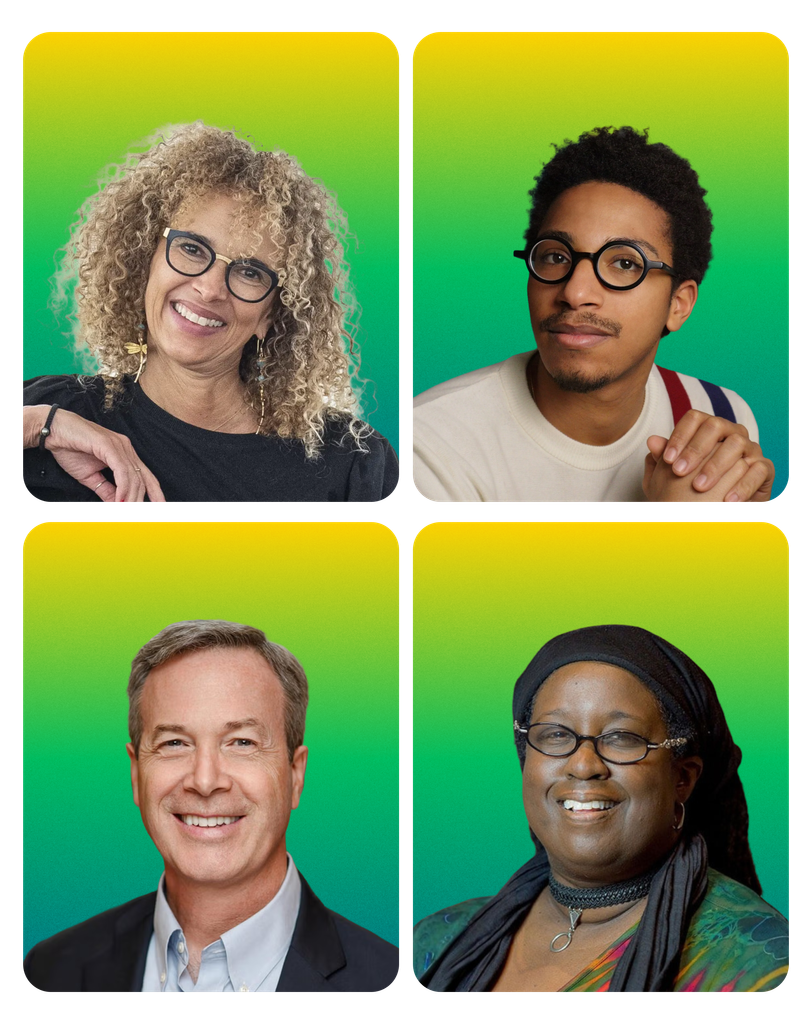
The projects were selected by our leadership team with input from a committee of climate and XR experts, including Myriam Achard of PHI, environmentalist Jerome Foster II, Anthony Leiserowitz of the Yale Program on Climate Change Communication, and Jacqueline Patterson of The Chisholm Legacy Project.
Grants range from $25,000 to $200,000. More than 40 percent of applications came from teams new to immersive media, reflecting our goal of welcoming both experienced XR creators and mission-driven organizations entering the medium.
What Comes Next
These grants mark the beginning of the projects’ development. We’ll work alongside the selected teams as they create, test, and share their work, with project milestones and public presentations expected to begin in 2027.
Sign up for updates to follow their progress and learn about future Agog funding opportunities.
Meet the Selected Projects
We’ve organized the projects below around themes that emerged across the cohort.
Ahupua‘a Living Lab
(Fiscal sponsor Aloha First)
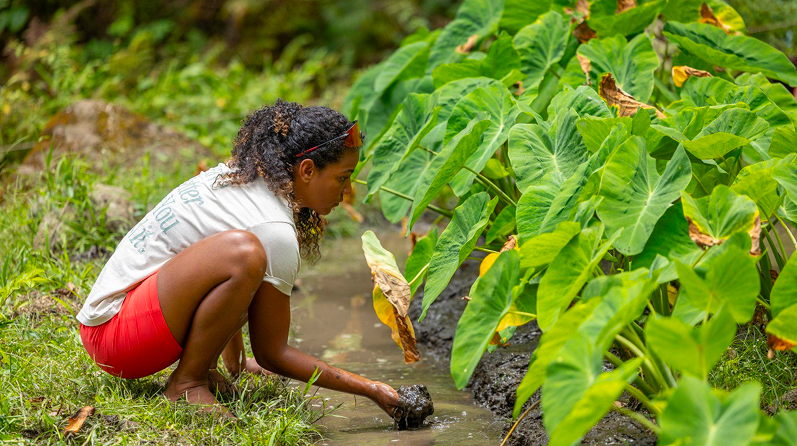
An Indigenous-led interactive digital model and extended-reality platform connecting ancestral water systems, restoration planning, data, and community action in Waimānalo, Hawai‘i.
Dust and the Great Divide
Electrick Labs (Fiscal sponsor Entertainment 2 Affect Change)
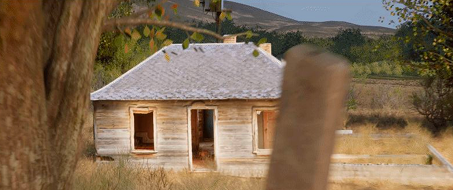
A browser-based (WebXR) spatial documentary following three Western water stories across the Ute Mountain Tribe, the Hispanic acequia community of Colorado’s San Luis Valley, and farming communities in western Kansas.
Underwater Commons
BardoLA
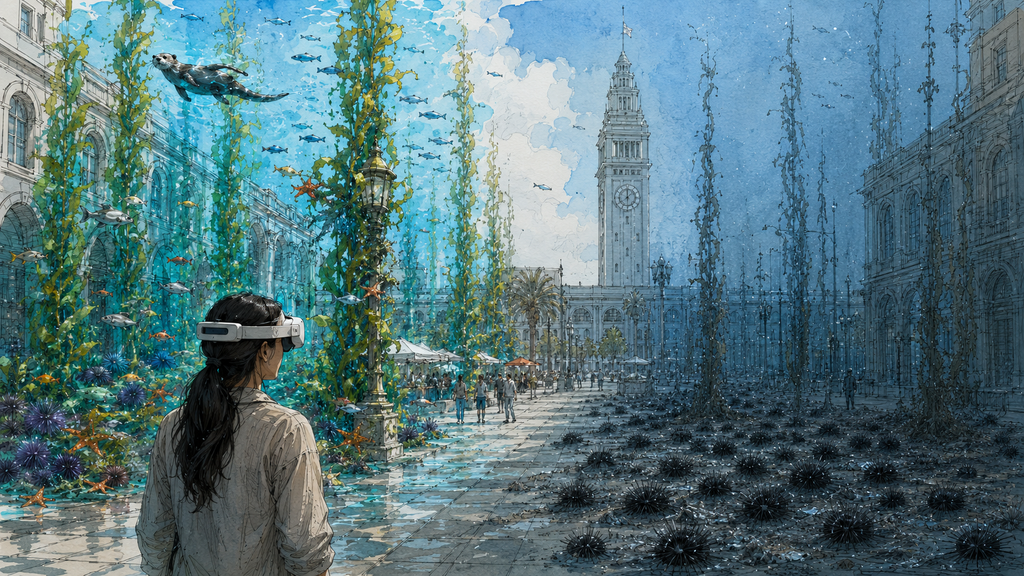
A mixed-reality public installation launching in San Diego, CA, and Christchurch, New Zealand, transforming kelp-forest collapse into a collaborative space for exploring stewardship and community action.
Worldview XR: Outdoor Mixed Reality for Climate Action
Worldview XR
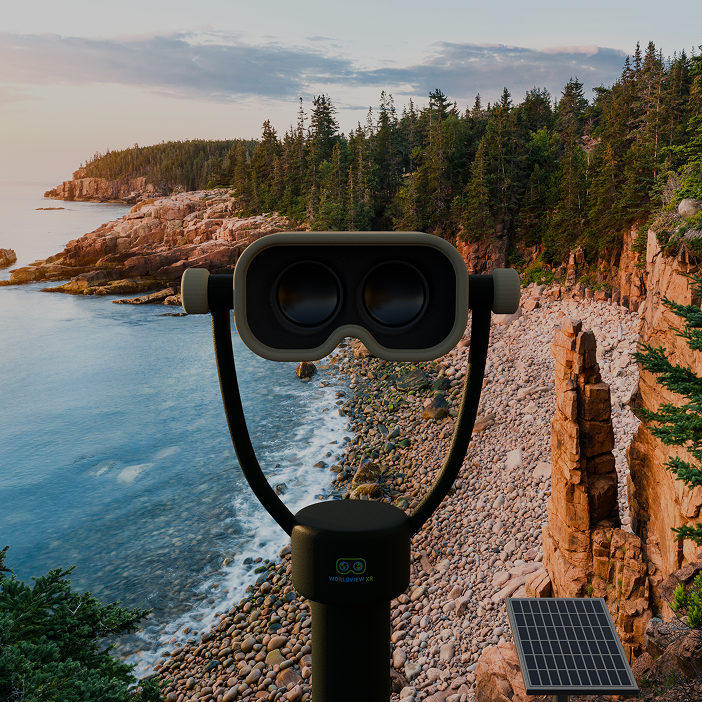
A solar-powered, outdoor, mixed-reality viewer overlaying historical and projected climate change onto real landscapes, with an initial prototype launching in Maine.
HEATWAVE: Mission Cooldown
Arizona Science Center
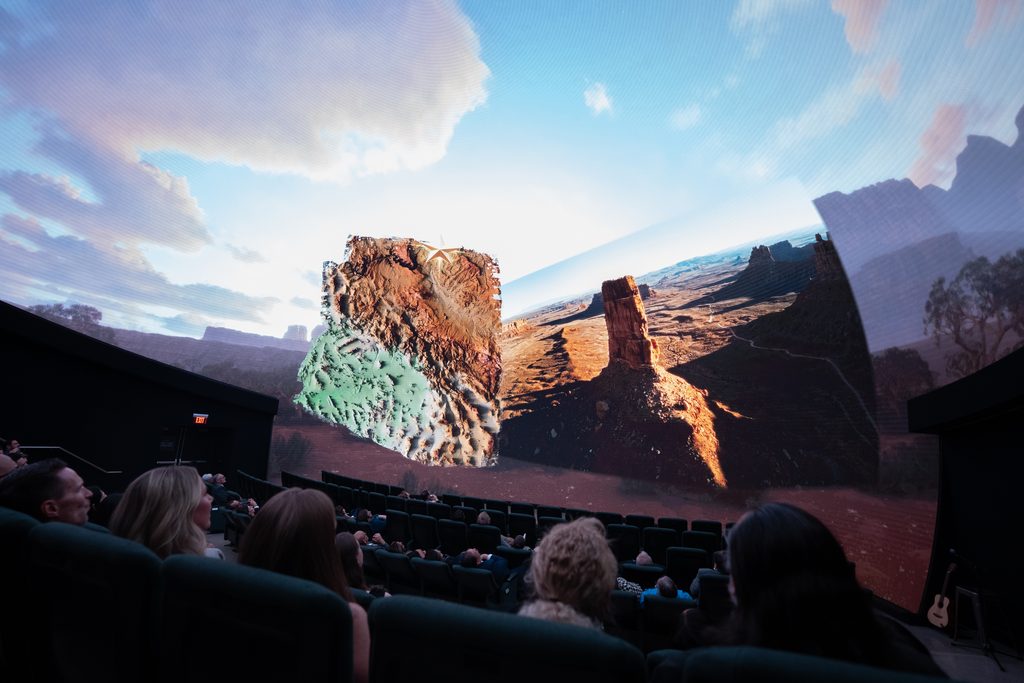
A dome and virtual-reality experience engaging audiences in choosing cooling strategies for streets, schools, homes, and neighborhoods while racing against the hottest hour in a Southwest heatwave.
Embodied Intelligence
MYStudio
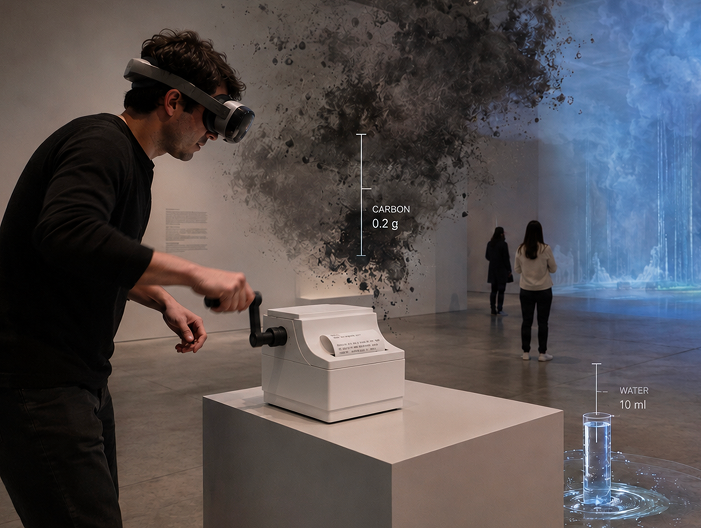
A mixed-reality installation asking participants to use their own physical energy to power an AI query, experiencing its water, carbon, and energy costs at a bodily scale.
On the Southwest Platform
Velaslavasay Panorama
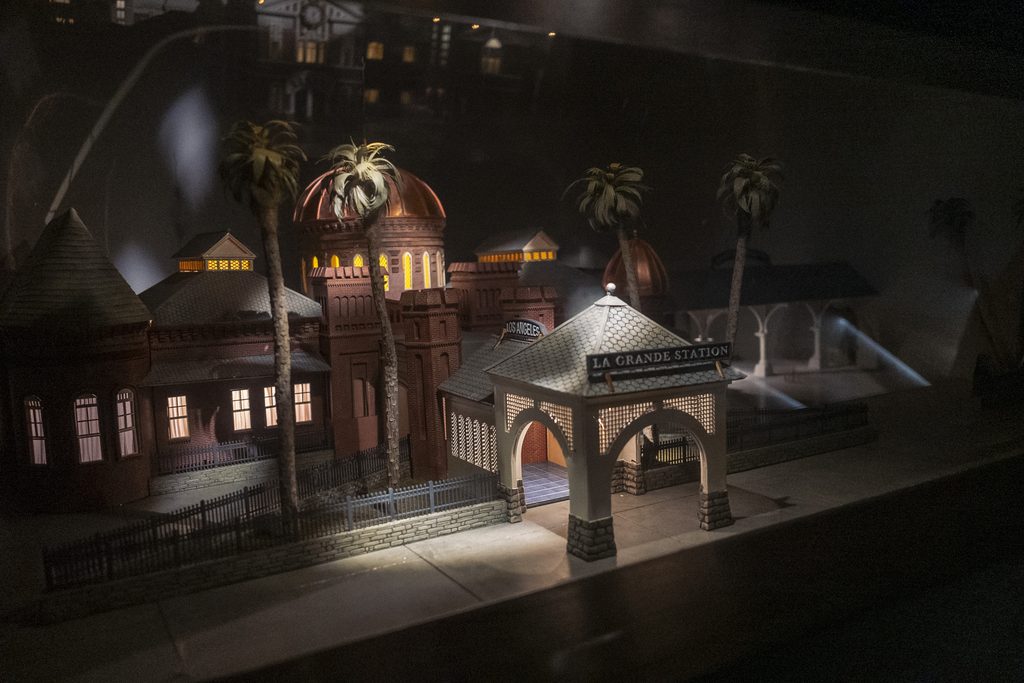
A site-specific installation using moving panorama, spatial audio, animatronics, and live environmental data to explore South Los Angeles’ climate history and possible futures.
Power Trip
Youth Climate Stewards 4 Local Action (Fiscal sponsor Korean Resource Center)
A youth-led augmented-reality and investigative-media project overlaying histories of redlining, heat, flood risk, land ownership, and community resilience onto Los Angeles neighborhoods.
Nature In Place
Rhode Island School of Design
An augmented-reality tool that will be used to facilitate workshops in Providence, Rhode Island; Manchester, New Hampshire; Louisville, Kentucky, and more communities that face high flood risk, limited green space, and longstanding exclusion from infrastructure planning. It will be used to help co-create nature-based stormwater solutions for more resilient cities.
When the Creeks Rise: An Immersive Climate Justice Experience
Partnership for Southern Equity
A mobile WebAR experience combining resident stories, public art, and flood data to support Atlanta watershed communities seeking green stormwater investment.
We Refuse To Die: An Immersive Dome Experience
The Natural History Museum
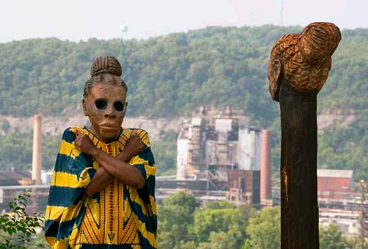
A touring dome experience debuting in Washington state that uses projection, spatial audio, and sculptures carved from trees killed in climate-fueled wildfires to amplify communities resisting harm from fossil fuels and petrochemicals.
Seeing the Future Forest Through the Trees
Northwest Natural Resource Group
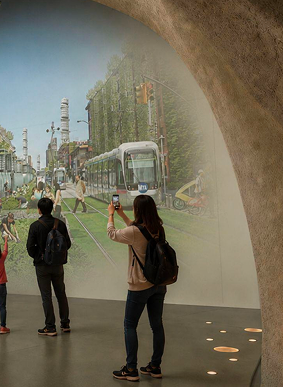
An augmented- and virtual-reality experience allowing forest visitors to watch a young Pacific Northwest timber stand transform over decades and explore ecological forestry, carbon storage, and restoration.
Urban Futures XR
American Museum of Natural History
A three-day hackathon where community members, scientists, artists, and technologists will create immersive visions of climate-resilient New York City neighborhoods.
The Billion Dollar Connection
Campfire Studios and Hofmann Studio OG (Fiscal sponsor Entertainment 2 Affect Change)
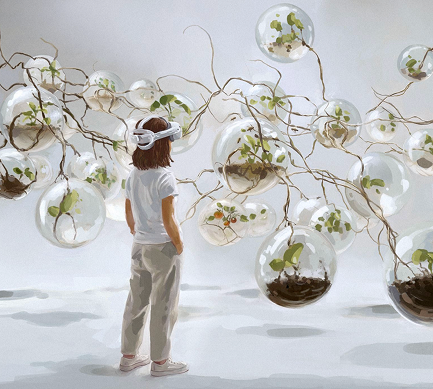
An animated nonfiction virtual-reality experience connecting Hurricane Helene’s impact on North Carolina, climate data, misinformation, and the public value of trusted weather information.
Immersive Climate Journalism Through 360 Workshops
University of Colorado Boulder
A training program in 360° video, spatial audio, and ethical extended-reality reporting created for environmental journalists and Indigenous and community storytellers.