We love what immersive media can do that few other forms can: create a sense of presence. It can transport us to critical moments in history, bring us closer to the realities of a changing climate, and help us imagine futures that don’t yet exist.
That potential will be on full display at Venice Immersive in September, where three Agog-supported projects will premiere and we’ll gather with the immersive community to explore what’s next, from storytelling with purpose to imagining new possibilities for smart glasses. Plus, this month we’re spotlighting augmented reality in public spaces, the open-source future of WebAR, new research on XR distribution, and more.
VENICE IMMERSIVE 2026
Seeing Impact XR on the Global Stage
At Venice Immersive, we’ll be celebrating three Agog-supported projects, including Solwata, an immersive documentary we co-produced with Human Rights Watch and NowHere Media about Solomon Islands communities confronting rising seas and difficult decisions about relocation. We’re also supporting the premieres of Out of the Ashes and Empire at Sea, two grantee projects exploring climate resilience through very different lenses.
If you’ll be in Venice, we hope you can join us for inspiring workshops and conversations, hands-on experiences with smart glasses, and community gatherings throughout the festival.
See our full Venice event lineup and RSVP for events →
GRANTEE SPOTLIGHT
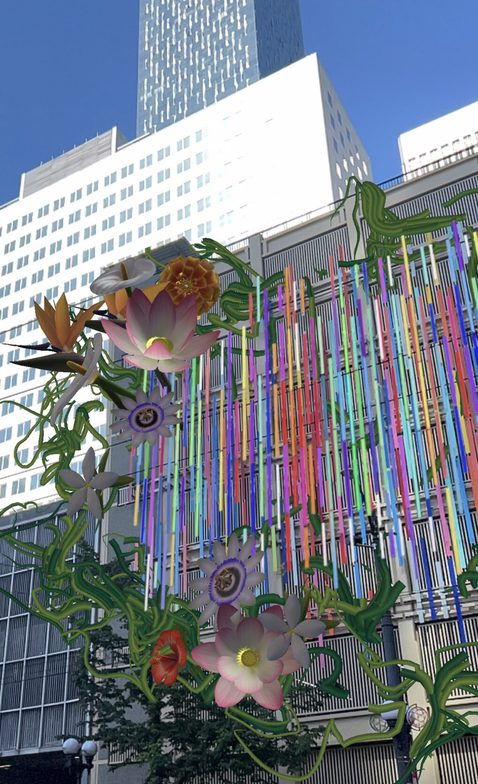
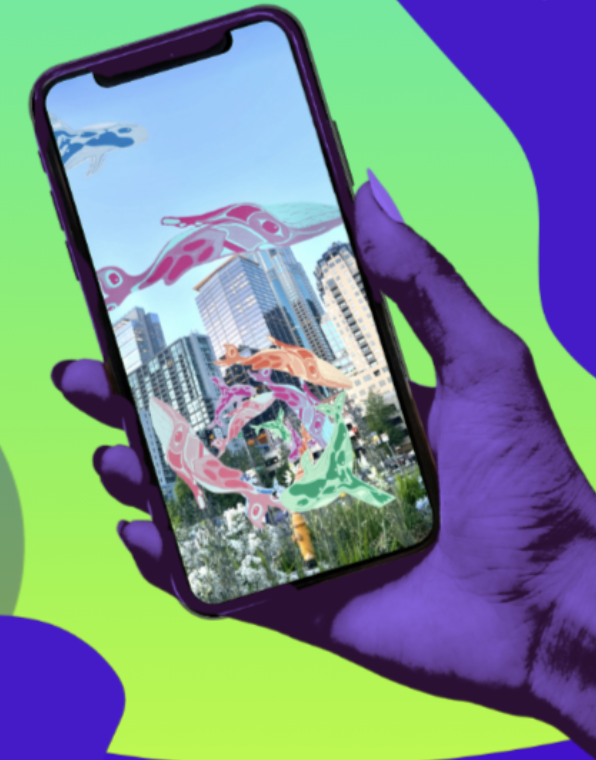
Future Arts Way Turns Downtown Seattle into a 2.5-Mile Augmented Reality Walk
What if a city block could hold Coast Salish knowledge, Afrofuturist perspectives, and ecological storytelling all at once? Agog-supported Future Arts Way: Other Earth 2026 invites visitors and residents to explore a 2.5-mile interactive walking path filled with more than 35 AR stops, multisensory experiences, and community-rooted storytelling.
Running through September and open 24 hours a day to all ages, the installation uses a no-download wayfinder to reimagine Seattle through an “other” lens.
GRANTEE SPOTLIGHT
Opening the Door to WebAR with 8th Wall
One of the biggest barriers to immersive storytelling is access. That’s why Agog is supporting 8th Wall, a leading platform for creating browser-based augmented reality (WebAR) experiences, as it transitions to an independent, open-source future.
Because WebAR runs directly in a web browser, people can access immersive experiences with a simple link or QR code—no app download required. Agog-supported projects, like Future Arts Way mentioned above, are already demonstrating how this technology can bring immersive storytelling into public spaces.
By investing in open infrastructure, Agog is helping more impact-driven stories reach more people.
Explore more and start building today →
RESOURCES AND RESEARCH
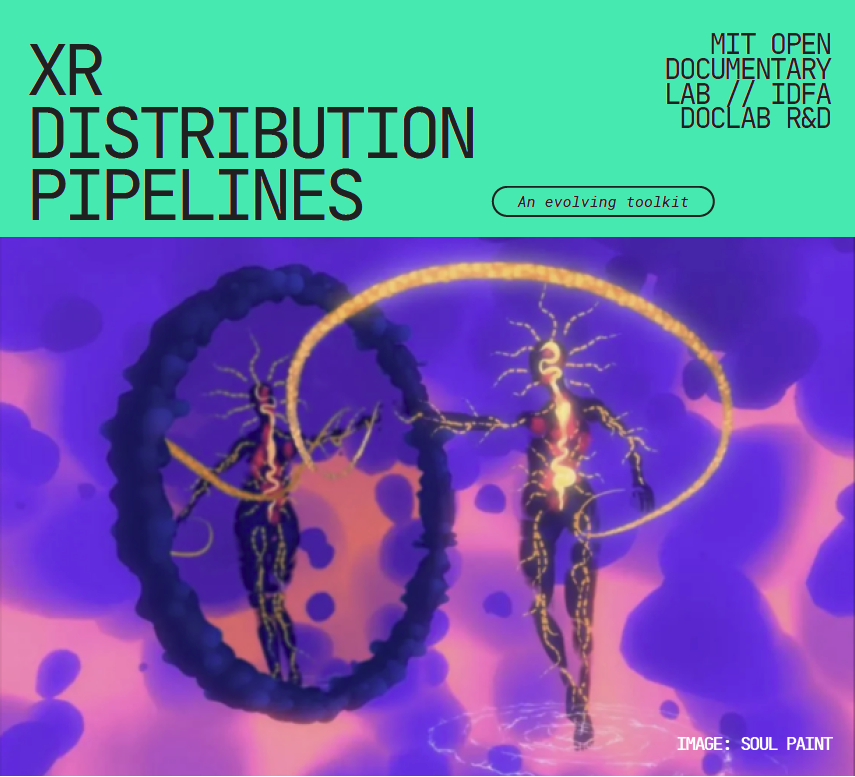
New Report: XR Distribution Pipelines
We’re always pleased to see new resources that tackle the field’s trickiest challenges, and distribution is at the top of that list. Friends of Agog at MIT Open Documentary Lab and IDFA DocLab have just released their XR Distribution Pipelines report. It includes guiding questions for artists and venues, plus case studies from real XR projects navigating how to get seen.
IN THE NEWS
Agog in Forbes on the Future of Media
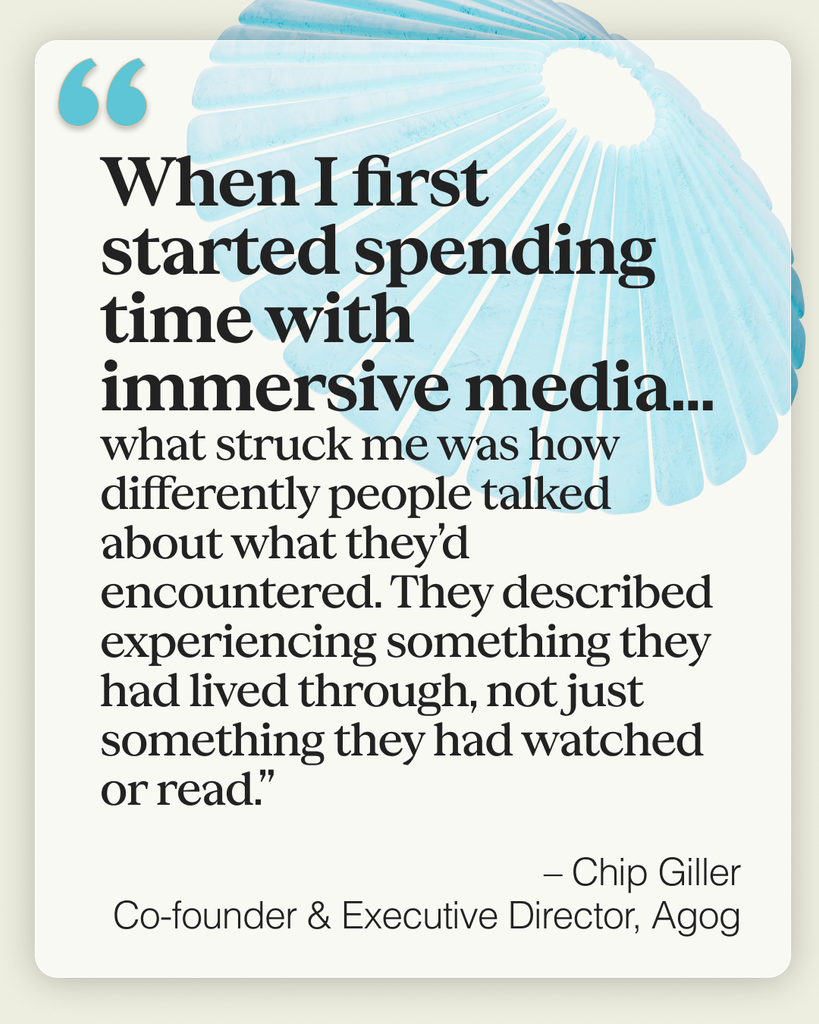
The media landscape is changing, and Agog is part of the conversation about what comes next. In a new Forbes piece on emerging media models and formats, Agog Co-founder and Executive Director Chip Giller reflects on what first drew him to immersive storytelling.
His perspective points to the possibilities of immersive media: when a story becomes something you can feel rather than something you consume, it changes you. And we’re just at the beginning of exploring where this medium can go.
XR-FOR-GOOD FROM HOME
1906 Atlanta | Mobile AR
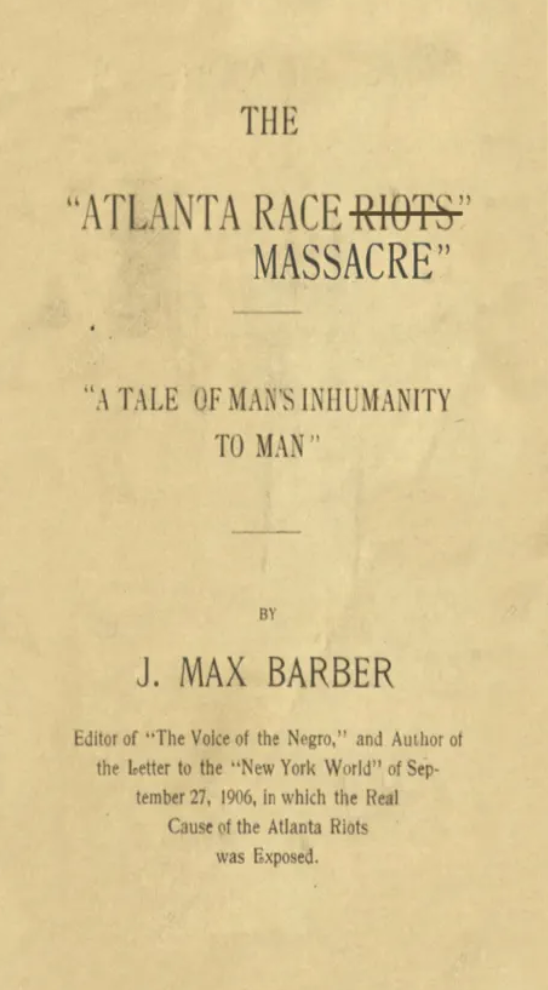
For four days in September 1906, a white mob incited by local politicians and newspapers violently attacked Atlanta’s thriving Black community—a chapter of American history that’s rarely taught and easily buried. 1906 Atlanta, created with Agog’s support by Emblematic Group in collaboration with the National Center for Civil and Human Rights, uses volumetric performance, hand-drawn illustration, and AI animation to follow journalist Jesse Max Barber as he tries to get the truth out.
The app is now available to download, and was featured in a Mashable op-ed by Agog’s Chip Giller on immersive tech for good. No headset required—just an iPhone.