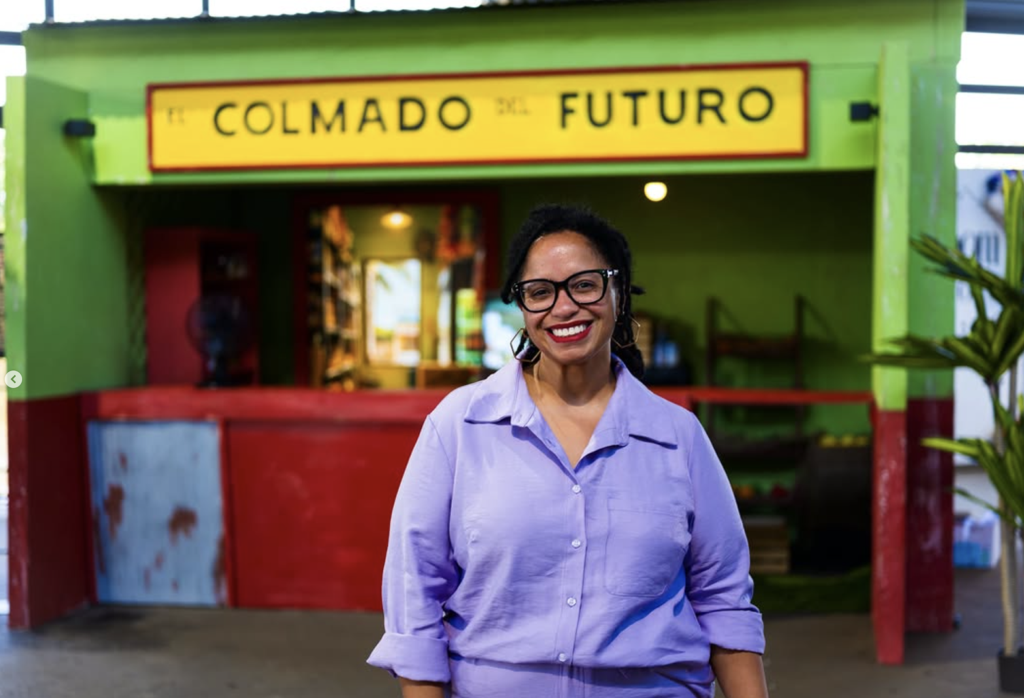
The photographer didn’t show. Eunice Levis was a young reporter covering the Puerto Rican Day Parade in New York, and when her photographer canceled, she had to hold the camera. “It completely changed the way I thought about telling a story,” she says of that day. Looking through the viewfinder, she felt a responsibility to get the whole truth: the atmosphere, the culture, the texture of a community.
That parade set the pattern for everything that followed. Every time Eunice has hit the edge of what one form could do, she’s found another one instead.
A form built to hold Black and Brown stories
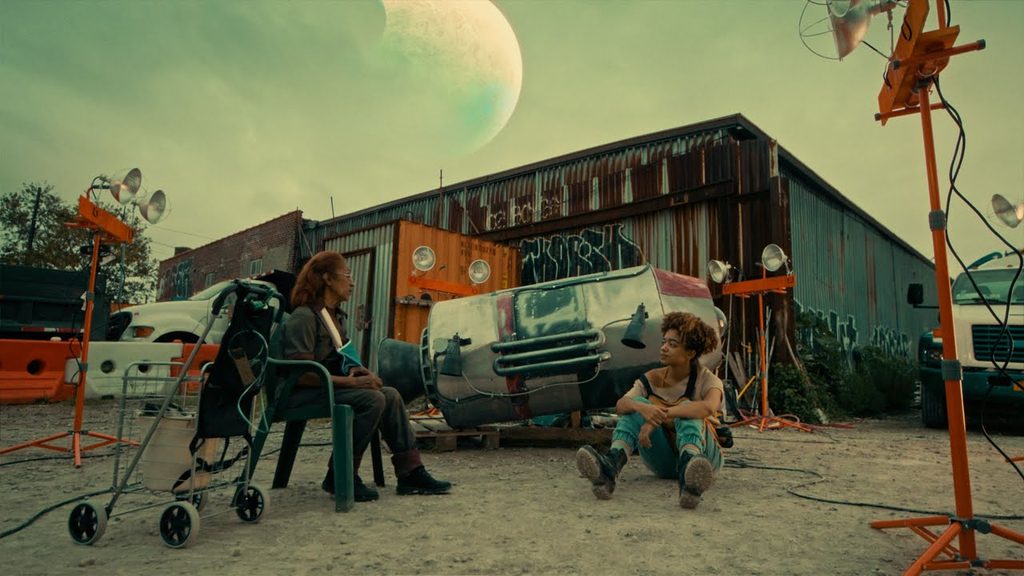
She eventually began to explore genre film, such as sci-fi, fantasy, horror, and magical realism. Not as an escape from the real, but as a way around its baggage. “This world comes with history already attached to it,” as Eunice puts it—preconceived notions about who gets to be the hero, the monster, the future. Genre let her build worlds from scratch, which meant she could put Black and Brown characters at the center of them without having to justify their right to be there.
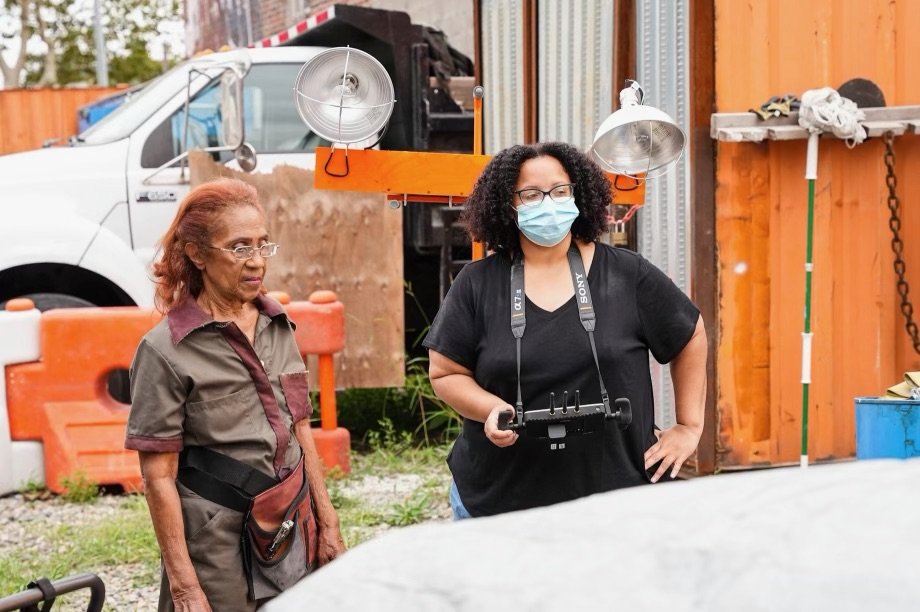
Finding these characters comes naturally. Eunice is a first-generation Dominican American, the first in her family to graduate high school, let alone college and a graduate program. Her parents came to the US in the 1970s, and stories like her family’s didn’t have an obvious place in the newsroom or in most films she’d seen. Genre gave Eunice an outlet, who has now directed several award-winning science fiction short films.
Immersive media as the next expansion
While film could put an audience in front of a story, Eunice wanted to put them inside one. Immersive media offered a way to create presence—to transport someone into a reality they’d never otherwise encounter, whether that reality was fictional or drawn from memory. She sought out Agog on her own, and reached out to Grants Manager Jasmin Askew, simply asking for resources and a way to learn.
That connection brought Eunice to the 2025 XR Impact Creators Lab in Los Angeles, hosted by Agog and ASU’s Center for Narrative and Emerging Media.
“Eunice reached out, already circling the story she wanted to tell,” Jasmin says. “And the lab gave her an opportunity to mix with tools and collaborators that would allow her to tell it in a new way. She brings her whole lived experience to immersive storytelling, and that’s exactly the kind of perspective that makes this field bigger and better.”
A room to fail in, and people to call upon
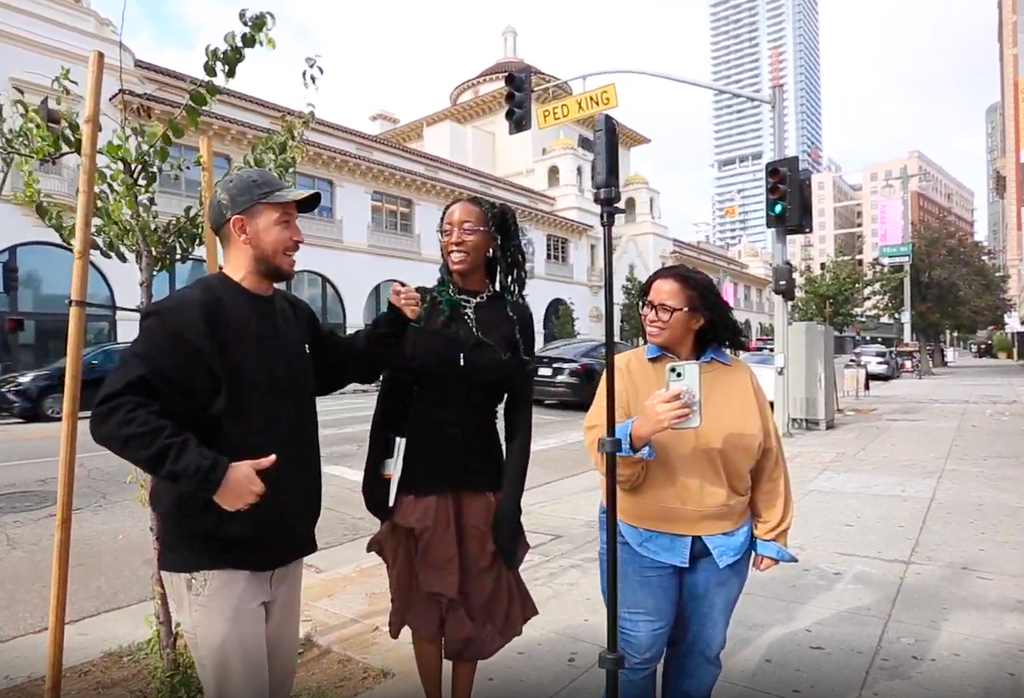
Eunice treated the week like a sandbox. She spent it deliberately experimenting—testing gear, observing how other participants bent the same tools toward completely different stories, asking questions she wouldn’t have known to ask before. She left with a clearer picture of success and failure: what to troubleshoot for, and, just as importantly, whom to call. The contacts Eunice made that week became a standing resource—people she could reach out to for a gear recommendation or a second opinion even after the lab ended.
Mary Matheson, Agog’s head of production, remembers, “Eunice is someone who has a great thirst for knowledge, who wants to try everything. Watching her dive into the full range of what these technologies can do is exactly what we’re looking for in a lab like this.”
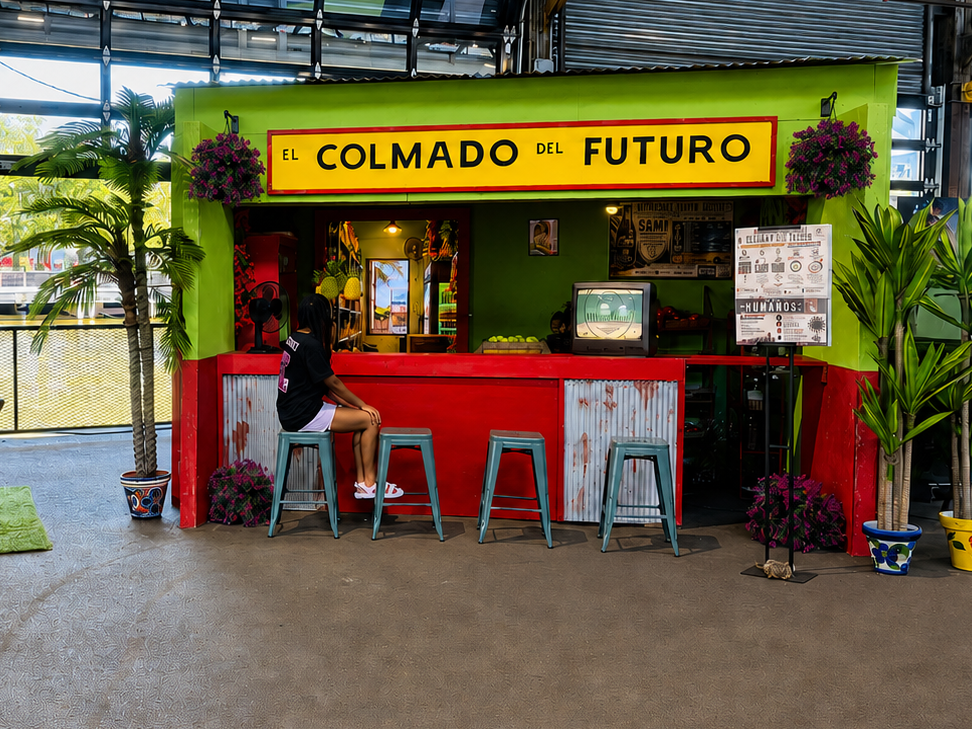
El Colmado del Futuro
What Eunice built with what she learned is El Colmado del Futuro, an installation inspired by an actual colmado in her father’s rural community of Quisqueya, Dominican Republic. It’s a real kind of place: neighbors buy staples and medicine there, play dominoes, share a beer, run tabs on an informal IOU system. On a visit, Eunice noticed that a neighborhood colmado in her father’s hometown felt quieter than she remembered. The owner told her he’d had to modernize—tap-to-pay, electronic bookkeeping—to compete with delivery apps and supermarkets built for tourists. But the update had unintended casualties: the informal trust system, the tab settled on payday, and the flexibility that rural life runs on.
When Eunice returned to the Dominican Republic to capture images, sound, and other digital assets for the piece, she realized the standard 360 mic they had brought wasn’t enough to capture the full scope of the environment. So the team jerry-rigged a larger recording setup, using the 360 mic at its center and surrounding it with additional microphones to capture a much wider area. She came home with recordings of kids playing soccer, farm animals, and neighbors in conversation: the layered, specific noise of a real place.
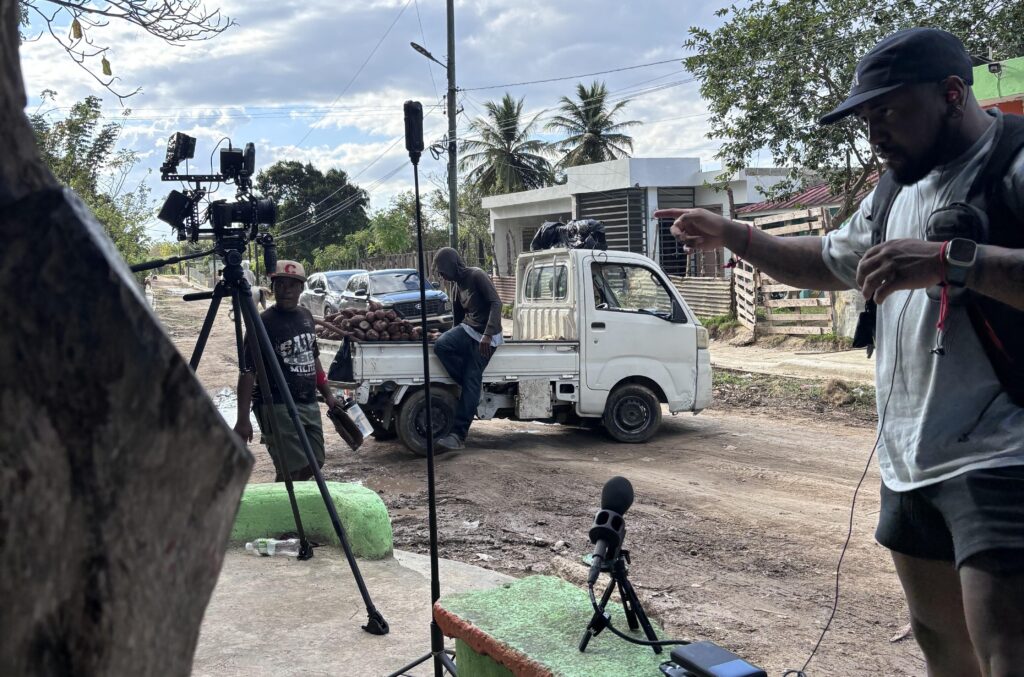
El Colmado del Futuro uses projection, sound, and environment to put visitors inside that store—and inside the stakes of a technology that promises convenience without always bringing everyone along with it.
A different kind of access
In September, Eunice traveled to Venice Immersive as an Agog fellow. She found immense value in having direct access to the people who made the work, often minutes before or after you experience it yourself. Agog-supported Empire at Sea, by Peter Flaherty, was the piece that rewired something for her there. The interactive augmented reality (AR) experience immediately got her thinking about how its methods might apply to science fiction and horror, genres she keeps returning to.
Advice for the next newcomer
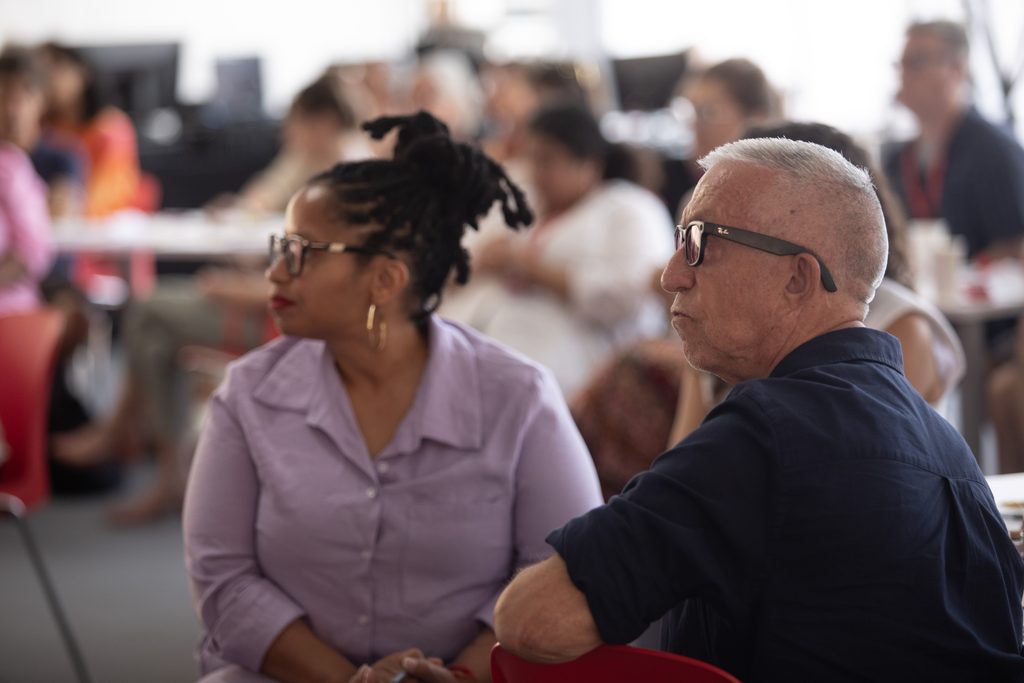
Asked what she’d tell another filmmaker curious about XR but intimidated by it, Eunice doesn’t hesitate: “There’s no canon locked into place yet, the way there is in film—no fixed set of rules about how it’s supposed to look or whose stories it’s supposed to center. People here are genuinely excited to talk to you and help you learn. You’re getting in early enough that you get to help write those rules instead of just following them. That’s a rare thing to be part of.”
Jen MacDonald is Agog’s Editorial and Brand Lead.