


For most people, virtual reality is a way to step into someone else’s world. A different place, a different perspective, a different life.
For a lot of trans people, it’s something else entirely. It’s the first place they’ve ever felt like themselves.
That’s the insight at the heart of Trans Academy, a nonprofit that started as a small gathering of friends in VRChat and has grown into a global community of over 65,000 members. When founder Tizzy began her own transition, her avatar represented her true self. In VRChat, you arrive as whoever you choose to be. For trans people navigating a world that often refuses to see them clearly, that experience is incredibly affirming. And for the tens of thousands of people who’ve found their way to Trans Academy, it’s become a lifeline.
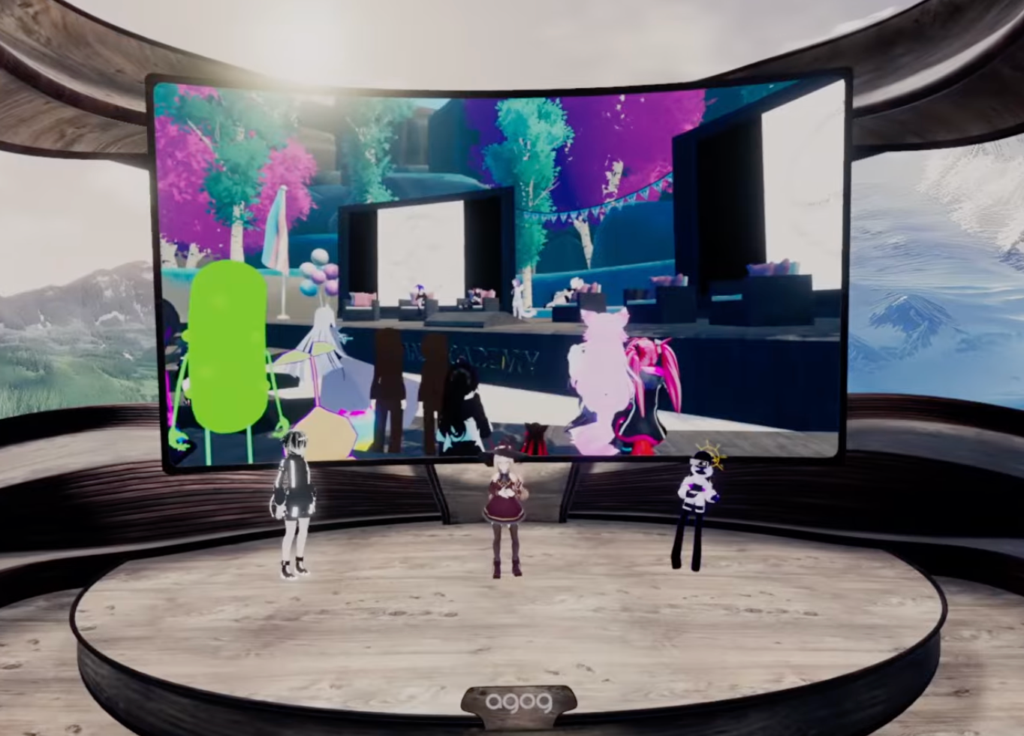
This past November, Tizzy, Director of Nonprofit Operations Scout, and Director of Media Jaime joined us at Agog House in VRChat to talk about how they built it and what it means to the people who need it most. Watch the recording to see the full discussion.
What Virtual Spaces Make Possible
The conversation centered around belonging and highlights an undersung benefit of social extended reality (XR): When someone has no safe place in the physical world, virtual spaces can be a refuge.
Built week by week through Sunday coffee hours, monthly classes, and late-night community events, Trans Academy has grown to the size of a small city.
Here are some key moments from the conversation.
“I just started plugging away in Blender and Unity one day not even knowing where any of this would go.”
Tizzy traced the origins of Trans Academy to a screening of We Met in Virtual Reality, Joe Hunting’s 2022 documentary about social virtual reality (VR) communities. Watching it with Scout, she asked: So many trans people are in VRChat—why don’t we have something like this?
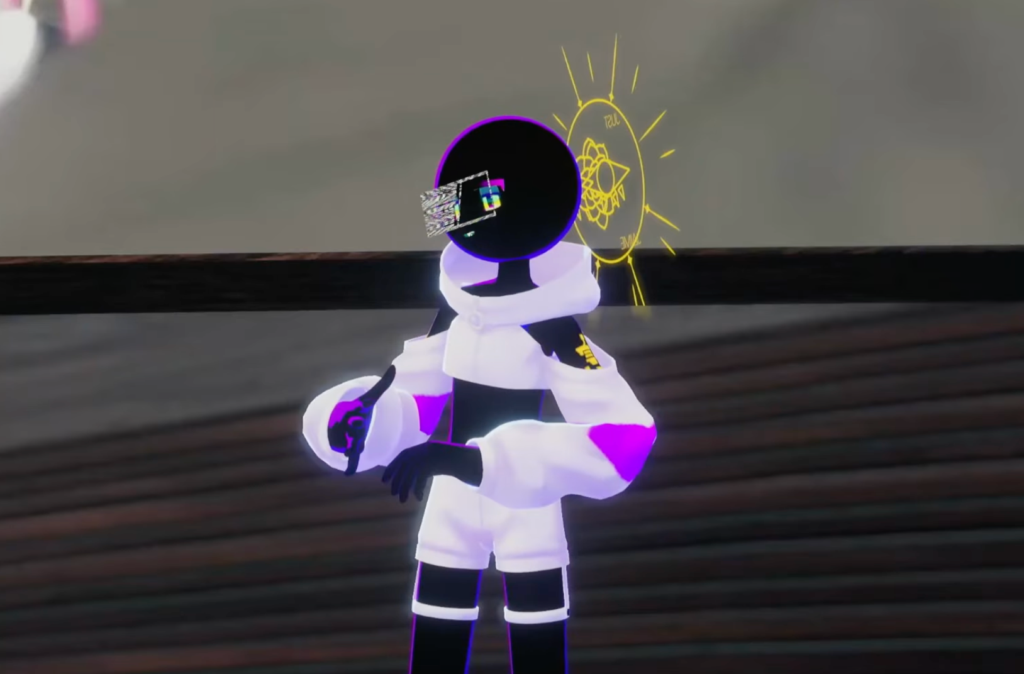
“I have met people at Trans Academy who have blatantly said, ‘I take off the headset, it’s illegal to be who I am in my country. So this is the only place I can be me.’”
Jaime put it plainly during the conversation: For some members, it’s the only place they can exist openly. That reality shapes how Trans Academy operates.
“The relationship between myself and the avatar in these spaces has always been very powerful.”
Virtual identity has real-world impact. Tizzy shared that when she began her own transition, she designed her avatar in Second Life and brought a photo of it to her surgeon. Jaime echoed that VRChat was the first place in their life where people immediately understood their non-binary identity just by looking at them.
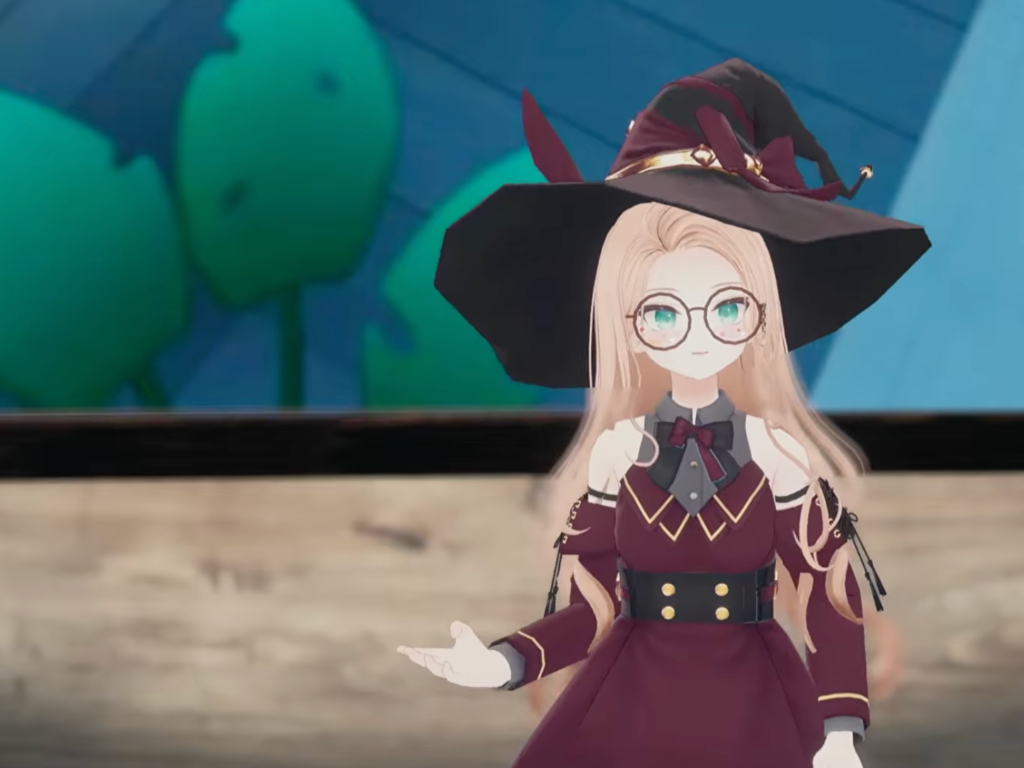
“You can come into VR and suddenly have access to tens of thousands of people from around the world who are going through what you’re going through.”
Chosen family is the whole point. “For some of us it means everything,” Tizzy said of what Trans Academy is to its members.
“A lot of queer and trans people are in places where they don’t have access to vocational training… to be able to get into an industry and give them financial autonomy to escape any kind of situation they might be in.”
Beyond voice and makeup classes, Trans Academy now offers computer science courses. Education provides a path to autonomy.

“We pride ourselves on our moderation to create a very safe space…That was one of the things we did foundationally.”
Scout described the moderation infrastructure Trans Academy built from day one—databases that can surface the exact minute and reason someone was banned years later. Safety is foundational.
To learn more about Trans Academy, visit their website or find them in VRChat. Follow Agog on social media, join our Discord, or subscribe to updates to stay in the loop on future programs.